About Sulala

A family platform
built around the family.

Sulala exists because the things a family keeps deserve better than scattered apps, shared passwords and albums nobody can find. One private account holds the tree, the photos, the numbers, the cars and the Quran journey.
Private by design Arabic and English No ads, ever
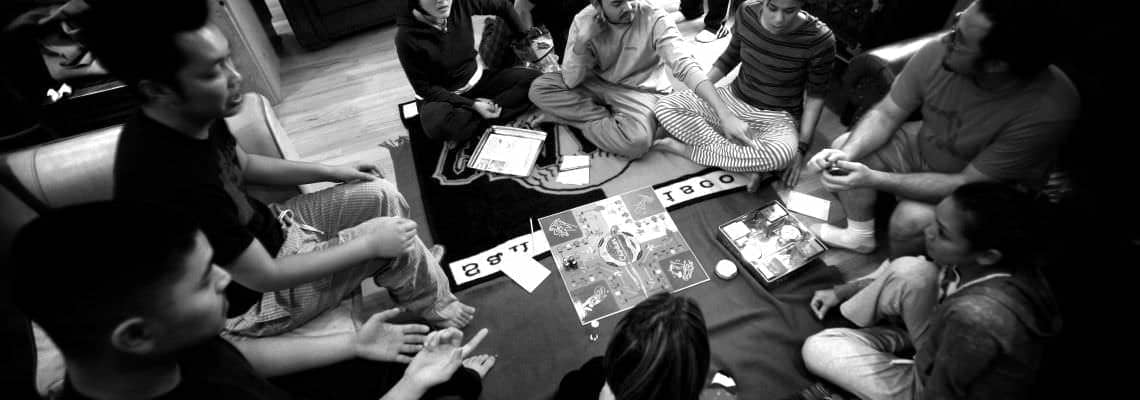
A family sharing a moment at home
One family six modules
Why we build it

The family is not an audience.

It is a membership. The people in it should decide who belongs, what each of them can change, and which records leave the family — if any.

  • Who belongs is a family decision, not a public sign-up.
  • Privacy is the default; sharing is the exception.
  • Arabic and English are equals, in direction and in content.
  • A record should outlive the app version that created it.
Read the Sulala promise
How we build

Principles you can see in the product.

These are not slogans. They decide how records, permissions and screens are designed.

Identity first

The family is the first record: households, roles and invitations exist before any module does.
Privacy by default

Server-enforced family scoping, hashed invitations, signed file links and no public galleries.

Bilingual by intent

The same features in native RTL Arabic and English — not a translation added afterwards.

Built for generations

GEDCOM and KML for the tree, ZIP for memories, CSV for finance: the family can take its records with it.

Who it is for

Every generation has a place.

Parents hold the family together, clan heads oversee it, and children take part with the limits their family sets.

Parents

Invite members, approve family changes and keep the household running.

Clan heads

Oversee every household and hold the family record across branches.

Children and members

Read, contribute and take part within the limits the family sets.

Every household

Each home has its own place while the family remains one account.

6
Modules
3
Family roles
2
Languages
1
Private account
Start today

Bring your family in.

Create the family once, invite the people who belong to it, and let every module know who they are.